Día de los Muertos is not “Mexican Halloween”
Today, in Mexican culture, is “Día de los Muertos,” which poorly translates to “Day of the Mortes”.
There is some confusion, mostly among non-Mexicans but also Mexicans under the age of five, regarding what Día de los Muertos is and how it relates to Halloween. Many think that because Halloween and Día de los Muertos have different names, are celebrated in different ways, and occur on different dates, they might be the same thing, similar to American Independence Day and Canada Day, which is just Independence Day but late because… who knows. Who cares? “Canada day”? C’mon, it doesn’t even roll off the tongue nicely, similar to Canadian cuisine, which is, again, who cares?
Back to Día de los Muertos and Halloween. You might be forgiven for thinking they’re the same, though I don’t think they’re the same, and don’t forgive you. However, let’s consider the similarities: Halloween has scary stuff and is at the end of October. Día de los Muertos has people with masks of dead people, which looks scary, and occurs at the beginning of November. One is in the US and one is in Mexico, which touches the US, just like early November touches late October. So maybe they’re the same thing, right? Exactly.
Halloween is a festival on which people dress up as puns based on famous people or incidents, like “Arnold Schwarzeneggroll,” (no, I’m not giving you a better example, why would I give away my awesome costume ideas that I’ll never implement?) or the sexy version of something pedestrian, like “grocery-shopping porn star.” Halloween has something to do with candy, pumpkins, witches, and the colours orange and green, but nobody is sure exactly what.
One legend has it that Halloween started when a witch was expelled from a town after being discovered in a campaign against a targeted group of people for holding unorthodox views. In revenge for being thrown out, the witch vowed to seek her revenge by eating the townspeople. When they offered her gingerbread-shaped people instead to quell her appetite, she found she preferred the sweet snacks and decided instead to just use the threat of eating people to cajole them into giving her treats, and only eating the people later, as a protein supplement. She decided to do this every year on the anniversary of the event, and over time, the yearly ritual became a biennial tradition.
These days, Halloween is celebrated mainly by a flavour of coffee at Starbucks that some love, some hate, and others don’t know exists. The coffee is flavoured with spices that are typically used in pumpkin pies, and is thus known as “disgusting”.
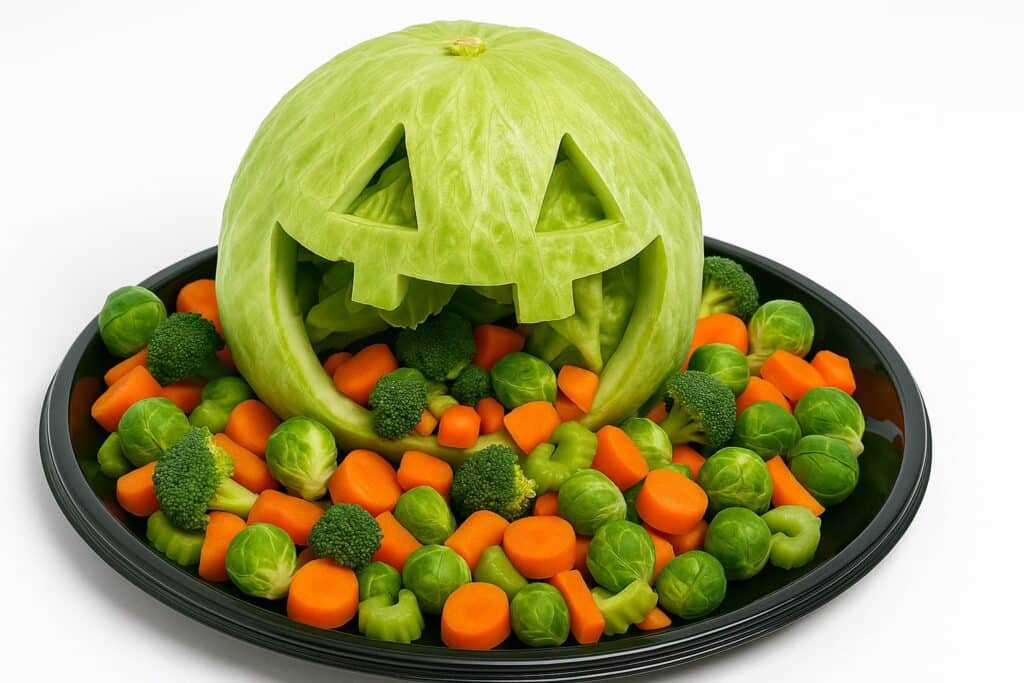
Halloween is celebrated differently worldwide. Even though it’s mostly American, other cultures have adopted it. In Europe, people dress up as scary things like Europeans. In Australia, people carve an iceberg lettuce rather than a pumpkin, as the big orange pumpkins are not in season, and iceberg lettuces are always terrifying(ly gross). Kids go trick-or-treating, but they do not actually conduct any tricks, as kids generally don’t know how to do anything.
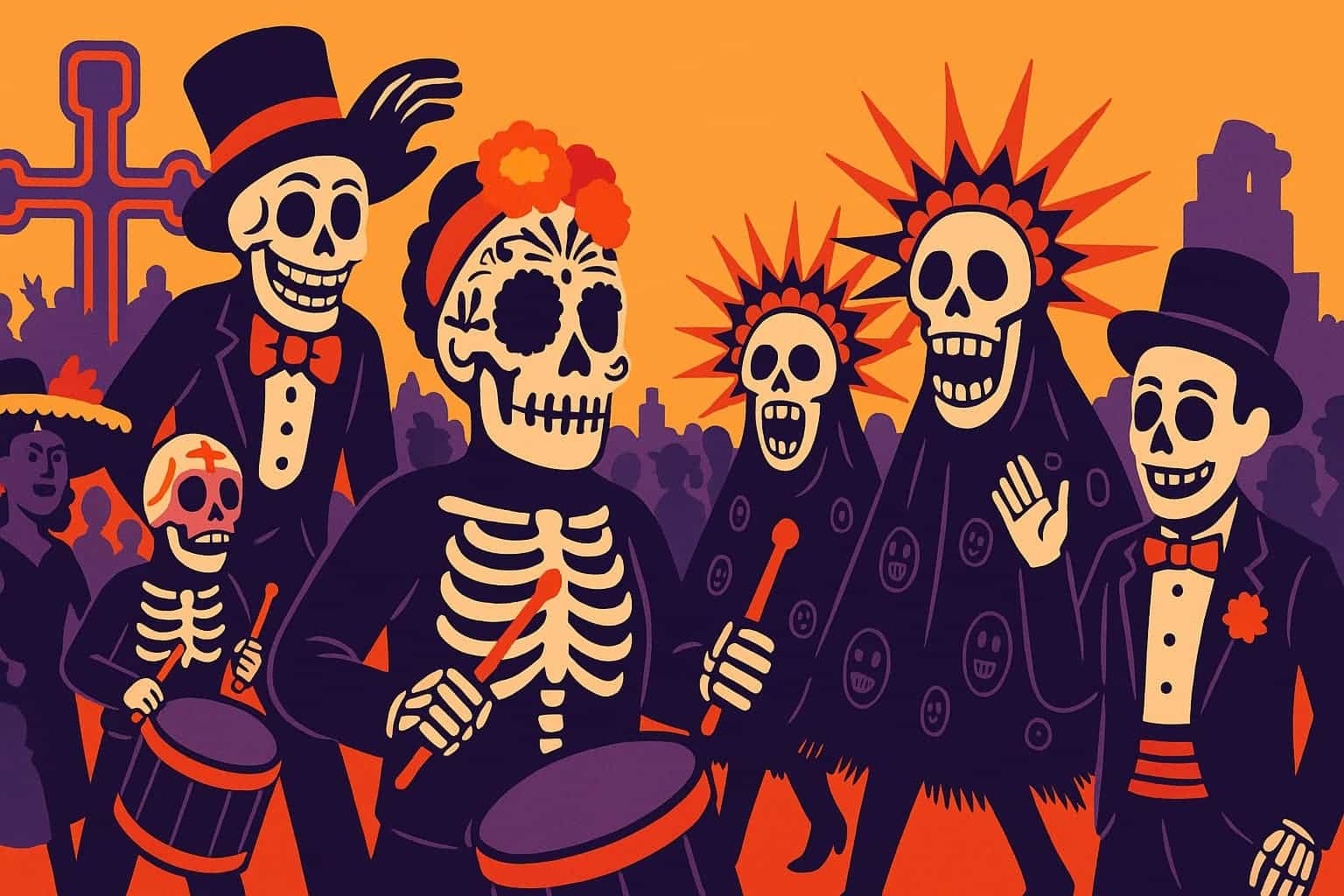
Día de los Muertos is quite different. If you’re in Mexico or in a city with more than one Mexican resident, e.g. Guadalajara, there’s a big parade with people dressed up as skeletons or dead people. This is not Halloween-like at all, because nobody is a pun or a slutty anything! Let alone a slutty pun, like taping video cassettes to yourself and saying you’re a “celebrity six tapes.” Oh, whatever, again, I’m not bloody thinking of a better pun costume just so you’ll steal it.
Privately, families celebrate Día de los Muertos by erecting a large papier-mâché Wi-Fi router and filling it with their preferred treats so that their ancestors can share TikToks with the younger generation.
Some have argued that the celebration of Día de los Muertos has ancient Aztec influences, which makes sense, as most Aztec people of the past are now dead. Others argue, incorrectly, that it has something to do with Allhallowtide (also known as All Saints’ Day), which makes no sense at all, as those guys don’t carve anything or dress as sexy anything, other than the occasional sexy nun or priest!

Abroad, most foreigners don’t really know anything about Mexican culture, and reduce it to some frankly embarrassing stereotypes like wearing broad-rimmed hats, eating tacos, and drinking horchata. In reality, Mexicans only do two of those three things all the time, and do one of them sometimes, when they feel like it, and nobody is watching.
Because most people don’t know what being Mexican is about, Día de los Muertos celebrations around the world are mixed up with general Mexican stuff. So you can go out to the celebration and eat tacos, watch a mariachi band, wear some culturally insensitive but cool-looking (admit it, Mexicans!) stuff or do whatever you want. Is that what it’s about? Possibly. It’s impossible to know for sure.
So if you see people dressed up as skeletons and assume it’s Halloween — it’s not, it’s actually Canada Day.
In conclusion, Día de los Muertos is a celebration full of intrigue and contrasts.