PayID Sucks: Three Reasons I Don’t Use it
PayID sucks. I’ve used it, I’ve tolerated it, and I’ve had enough of it to form an opinion that is probably only slightly too strong.
People often wonder why some people (like me) don’t accept PayID for marketplace payments, and assume it’s because of scams. It’s not.
The short version of why I don’t like PayID:
- It asks me to hand over personal info
- It’s as unpredictable and sometimes slow as classic BSB/bank account number payment process, and
- Money can still be clawed back months later if the bank decides.
More details below.
1) It makes me hand out personal information
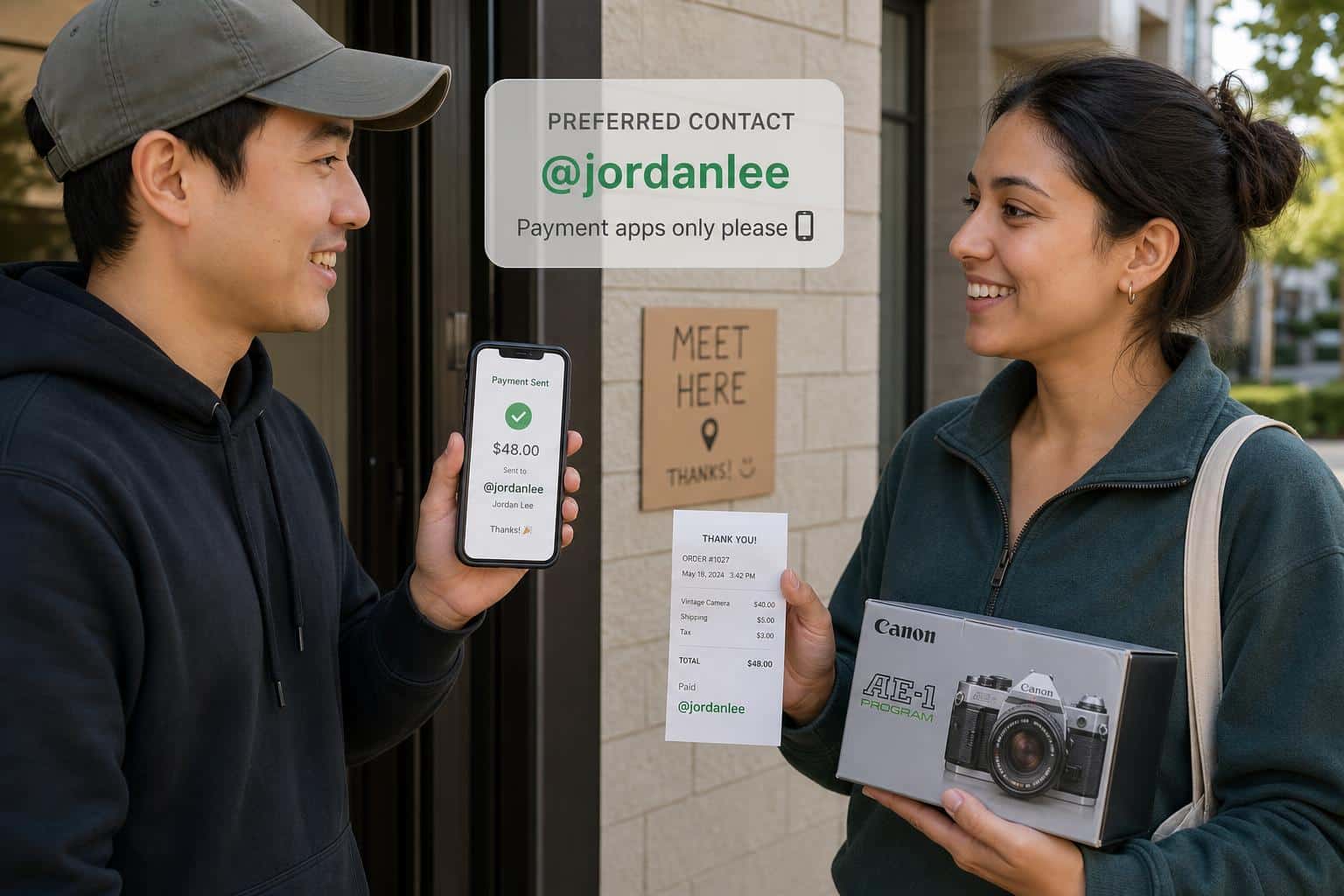
My first problem with PayID is simple: I don’t want to give strangers my email address or phone number. I can avoid giving my address out by meeting them in a public place. I’m selling a chair; I don’t need someone texting me later saying “Hey, your chair isn’t comfortable.” In a marketplace setting, where the whole point is to keep buyer and seller interactions as clean and low-friction as possible, PayID immediately pushes me in the opposite direction.
A username would be better. That’s how a lot of modern payment apps (e.g. Venmo, not available in Australia) already work! Revolut, Wise, and similar apps let people move money with app-facing identities instead of forcing everyone to trade phone numbers like it’s 1995 and we all have business cards.
2) The payment is often not really a payment yet
The second reason PayID annoys me is the promise vs reality. The promise is instant, low-friction transfers; the reality is that just like inter-bank transfers, payments are often held for 24 hours or more anyway. And it’s unpredictable! Sometimes they move quickly, and sometimes they don’t. Sometimes they appear to have gone through, and then the bank parks them in a suspense box somewhere and nobody can tell you why.
Worse, there’s often no clean way to trace the status or cancel it once it’s in flight. So you get the worst of both worlds: it’s not as instant as cash, and not transparent enough to feel like a well-designed digital payment. You just sit there refreshing screens and hoping the money decides to be real.
3) The bank can still claw money back later
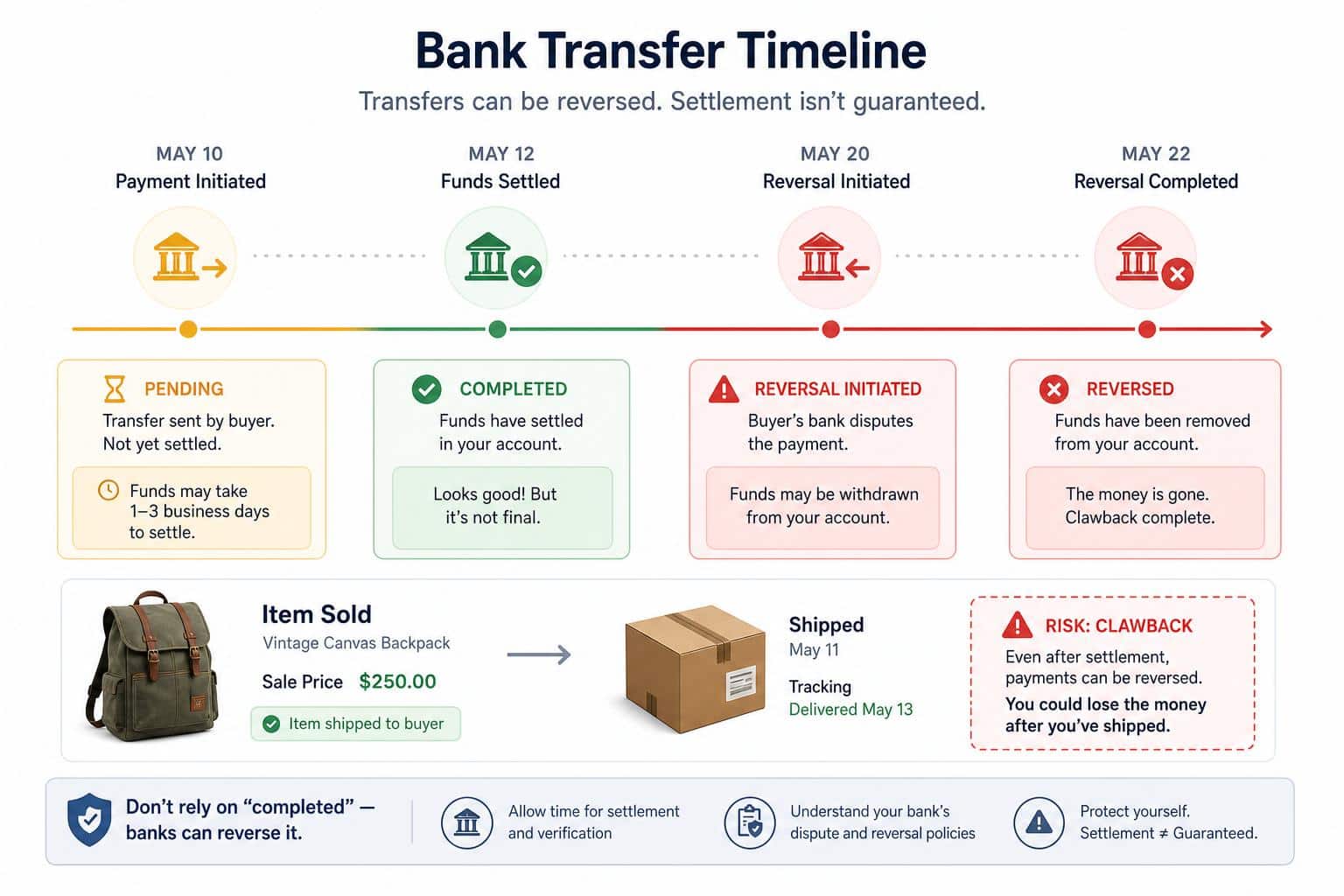
This is the part that really gets on my nerves. It only happened to me once, but it’s enough for me to be wary. Even after the money has been transferred, the bank can sometimes claw it back if it determines the initial funds were obtained fraudulently or the account was compromised.
In other words, you can do everything “right” from your side as the seller, get paid, hand over the goods, and then get a delightful surprise months later when the payment gets reversed.
That happened to me six months after a transfer. In my situation, the person attempting to buy something (an amplifier) was not who they claimed to be, and the bank account was not theirs, either. The bank took back the money. Luckily, it was for a small amount ($280), but it could have been much worse.
What this means for marketplace use
All of the above excludes the most obvious risk of online payments: scams.
But scams can happen in any online system. Fake transfer confirmations, screenshots, forged receipts — all of that is old-school nonsense and not unique to PayID. But that’s not my complaint here. My complaint is that even if I avoid scams, PayID is still not a practical system. And PayID doesn’t even help me avoid scams.
If I want to use an alternative to cash for payments, it has to be secure. I want to receive money privately, instantly, and not have it taken back. Those are simple requirements, but PayID fails them all.